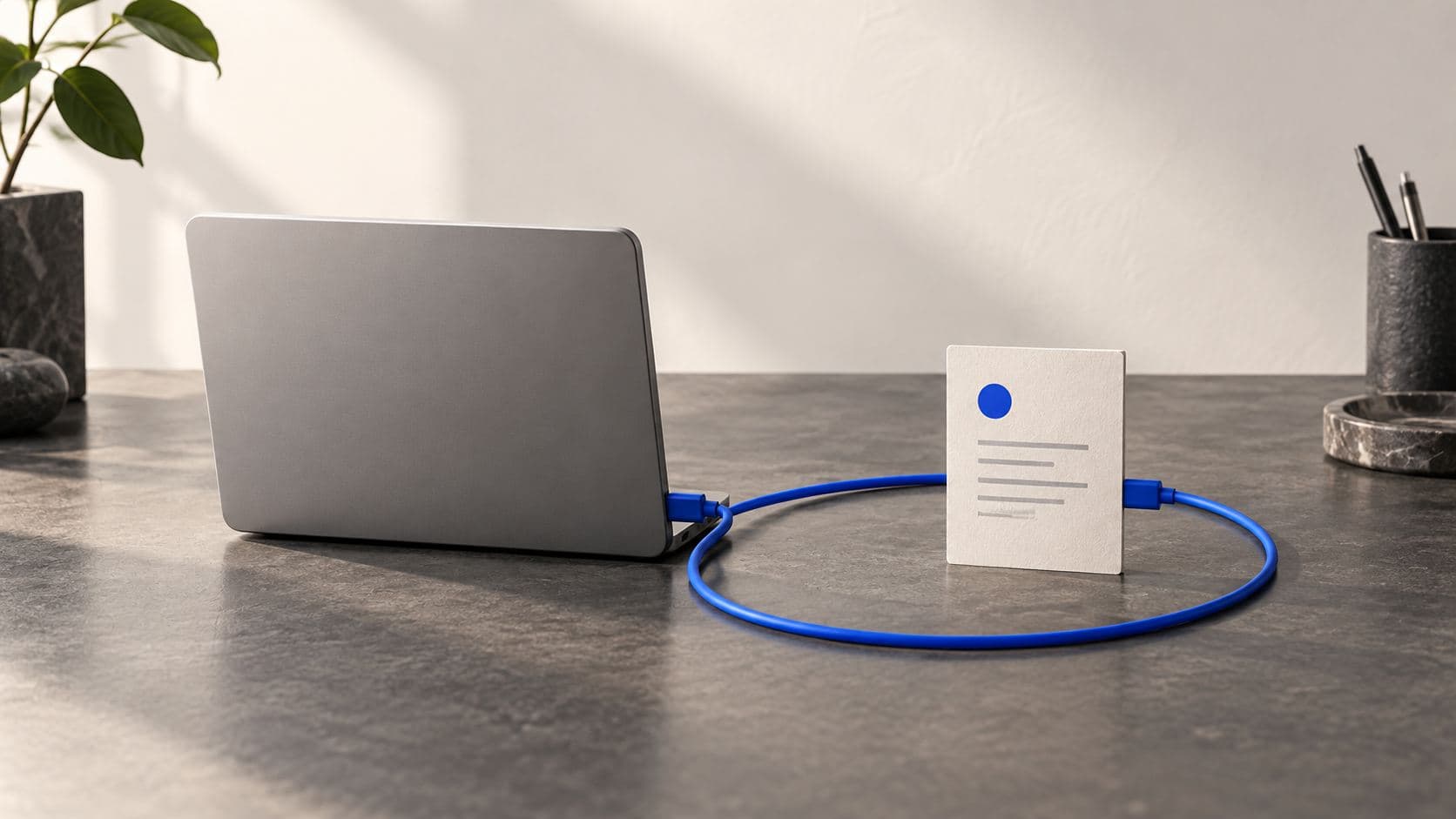
A browser can be more than a thin doorway to someone else’s servers. For focused, personal, or early-stage work, it can be a capable place to calculate, organise, and retain a project without making an account or sending every detail away. That is the useful part of local-first design.
Privacy can make a workflow lighter
An account requirement can be a barrier when a person simply wants to test an approach, sketch a project, or work with information that should stay on their device. Local storage changes the first experience: it lets the work begin before a user has to decide what to share.
Local-first still needs honest boundaries
Browser-local data is not a promise of permanent backup, team synchronisation, or universal access. Good local-first software explains where information lives, offers clear export options where appropriate, and does not imply recovery guarantees it cannot provide.
The point is not to reject the cloud. It is to choose the lightest architecture that serves the work.
Choose the model deliberately
Some products need collaboration and shared records. Others become more useful by staying close to the person using them. The right architecture follows the task, its risk, and its need for continuity—not a fashionable label.